.jpg&w=3840&q=75)
.jpg&w=3840&q=75)
.jpg&w=3840&q=75)
.jpg&w=3840&q=75)
.jpg&w=3840&q=75)
.jpg&w=3840&q=75)
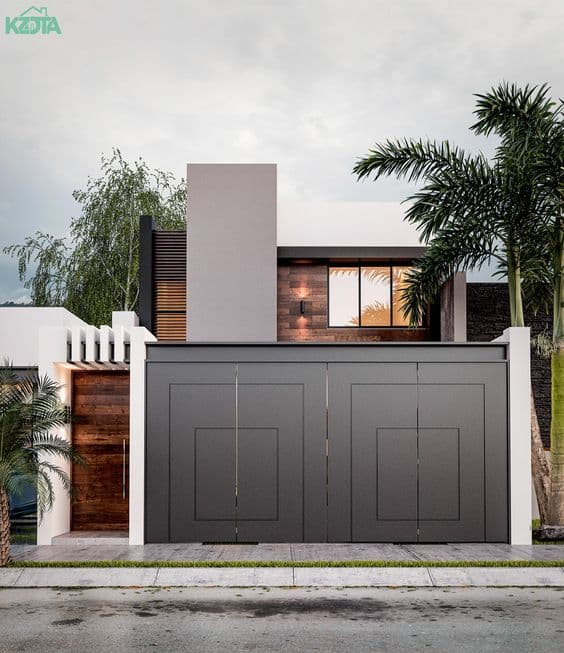
A front gate is the first architectural gesture a visitor experiences. Before someone sees the front door, landscaping or interiors, they read the scale, pattern and finish of the boundary gate. A successful metal gate therefore needs to do more than close an opening. It should manage access, suit the site and establish the tone of the home.
Start with the way the gate will be used
The most beautiful pattern will not compensate for the wrong opening format. Begin with the everyday movement around the property. A compact pedestrian entry may need a single hinged gate, while a wider driveway may suit paired leaves or a sliding arrangement. Consider the slope of the drive, the turning radius of vehicles, the location of pillars and the space available when the gate is open.
This practical review also helps define automation requirements. If the gate will be used frequently, plan the motor, access controls and manual override early so the finished metalwork does not need awkward additions later.
Match the material language to the architecture
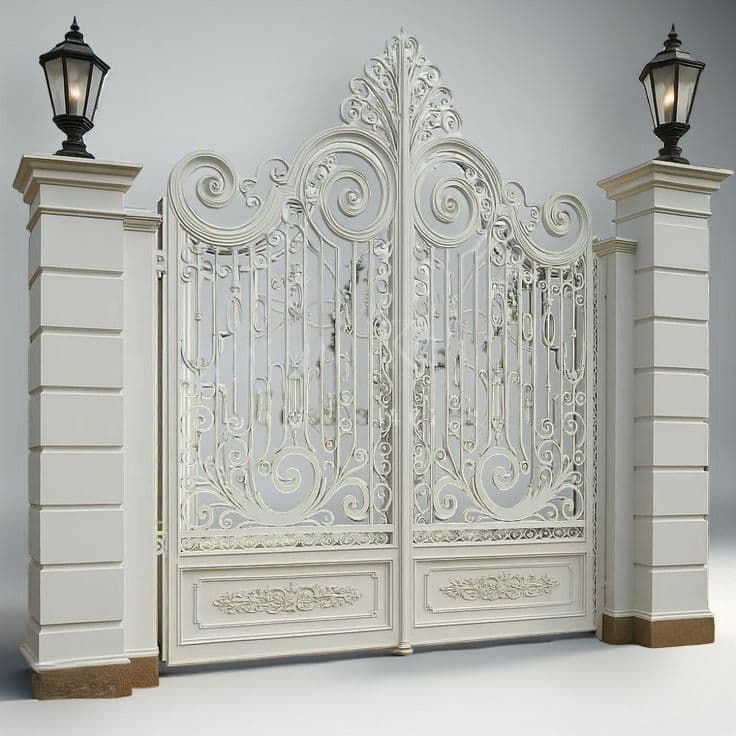
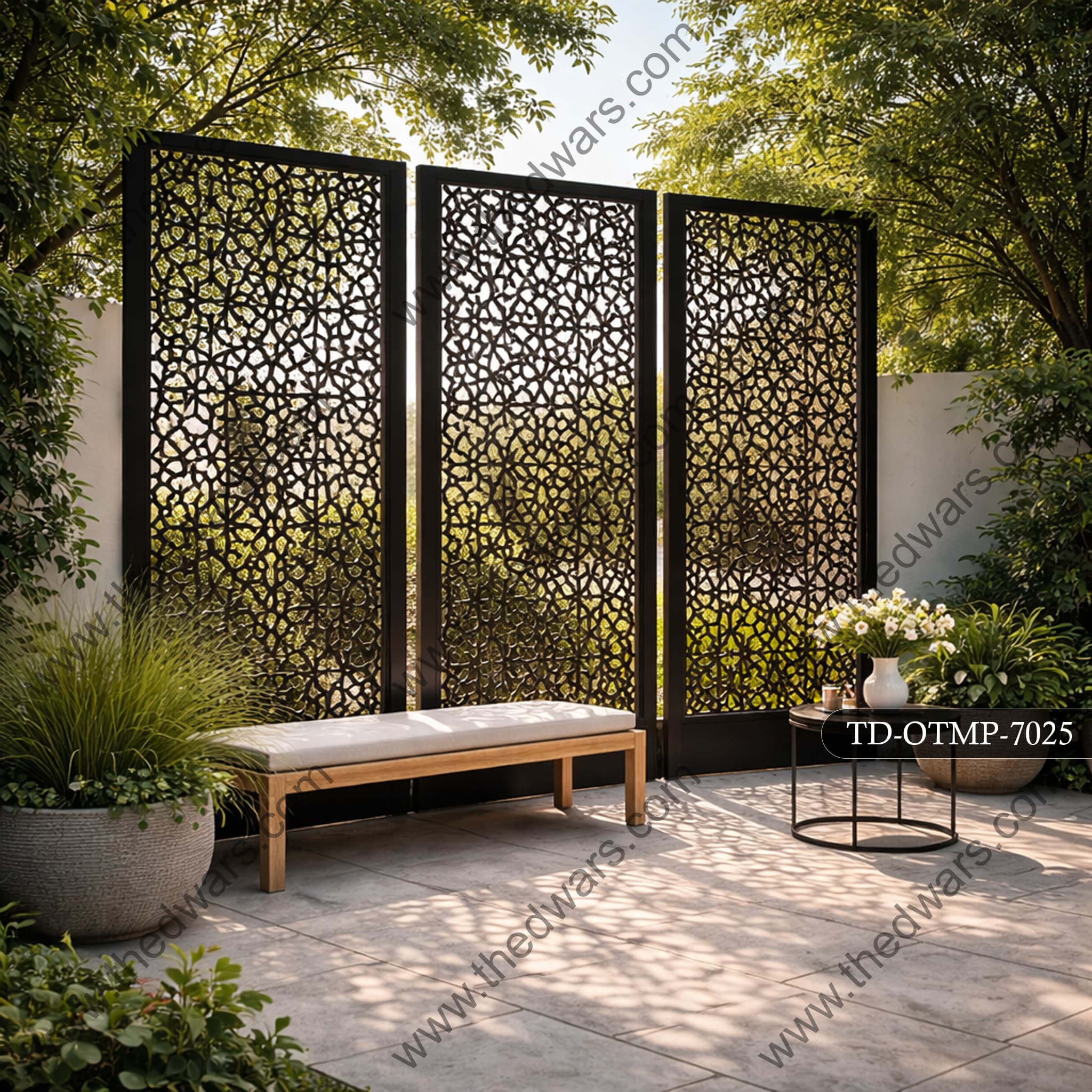
Wrought iron brings texture, depth and a sense of hand-crafted permanence. It works beautifully with classical facades, landscaped compounds and homes that use stone, timber or ornamental details. Modern metal gates can use slim profiles, clean horizontal lines or precise geometric panels to complement contemporary architecture. Laser-cut metalwork can create a more graphic, personalised statement while still controlling privacy.
The goal is visual continuity. Look at the lines of the facade, window proportions, boundary wall materials and exterior lights. A gate should echo those cues instead of competing with them.
Decide how much privacy you need
Privacy is one of the most important design choices. Open baluster designs keep the entrance airy and make landscaping visible. Denser panels, mesh infills and laser-cut screens offer more screening while still allowing air and light to pass through. A mixed design can be especially effective: use a more solid lower section for privacy and a lighter upper section for visual interest.
Think about both day and night. Exterior lighting can make a pattern look completely different after sunset, so it is worth considering how the gate will read when illuminated from the driveway or garden.
Detail the finishing touches
The smaller components shape the daily experience of a gate. Handles should feel right in the hand. Latches, locks and access panels should be easy to reach. Hinges and joints should be placed cleanly within the design. The finish should complement the facade and support the maintenance needs of an exterior installation.
Key options to discuss with your fabricator include:
Swing, sliding, bi-fold or pedestrian-gate operation
Open, semi-private or private infill patterns
A matching side gate, house number or name plate
Automation, intercom and access-control provisions
Matte, textured, bronze or custom colour finishes
Choose a gate that will age well
The perfect metal gate is not a short-term trend. It is a piece of exterior architecture that should continue to feel right as landscaping matures and the home evolves. By balancing practical access, privacy, proportion and material character, you can create an entrance that is secure, easy to use and genuinely memorable. A detailed site consultation helps translate these decisions into a gate designed for your property rather than a catalogue image.
A site visit turns ideas into a reliable solution
Reference images are useful, but a gate should ultimately be designed for the real property. Site dimensions, pillar locations, drainage, electrical points and the surrounding street all influence the right solution. A professional consultation converts those variables into a clear plan for proportion, operation and finish, helping the finished gate look intentional from the first day of use.