.jpg&w=3840&q=75)
.jpg&w=3840&q=75)
.jpg&w=3840&q=75)
.jpg&w=3840&q=75)
.jpg&w=3840&q=75)
.jpg&w=3840&q=75)
Stainless steel and wrought iron are both capable materials for premium doors, gates and railings. The better choice is not universal; it depends on the architecture, the location, the desired maintenance routine and the personality you want the finished metalwork to have. Understanding the character of each material helps you make a decision that feels right long after installation.
Stainless steel: clean, contemporary and restrained
Stainless steel is often chosen for its smooth, modern appearance and its association with minimal architecture. It suits projects where crisp lines, reflective surfaces and a light visual profile are the priority. In coastal or high-moisture environments, the right grade and finish can also be an important part of the material conversation.
For railings, stainless steel can work well with glass, stone and contemporary timber. It creates an uncluttered look, especially when the design calls for simple horizontal or vertical elements. However, its visual language is generally more precise than expressive. If the project needs ornate forms, deeper texture or a handmade feel, stainless steel may not offer the same design freedom.
Wrought iron: expressive, adaptable and architectural
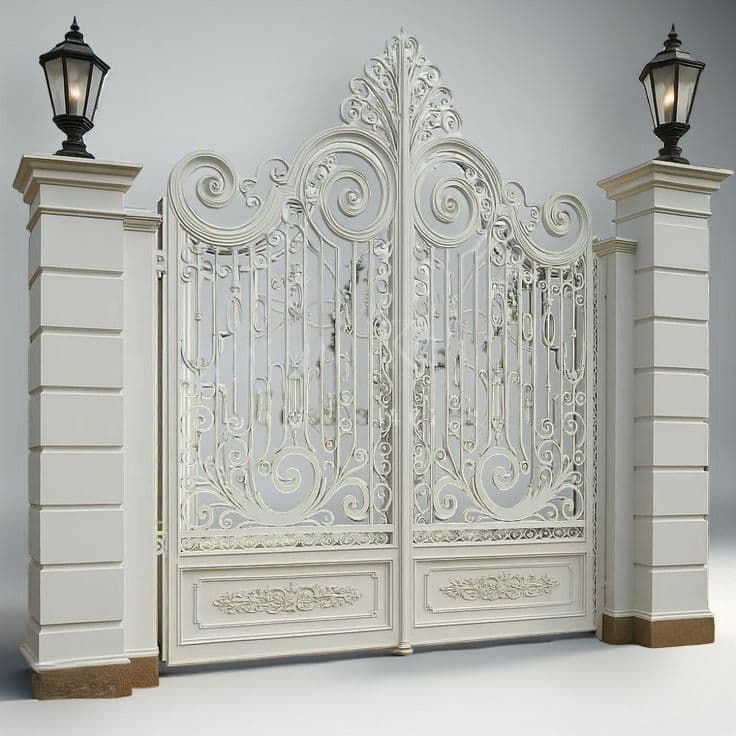
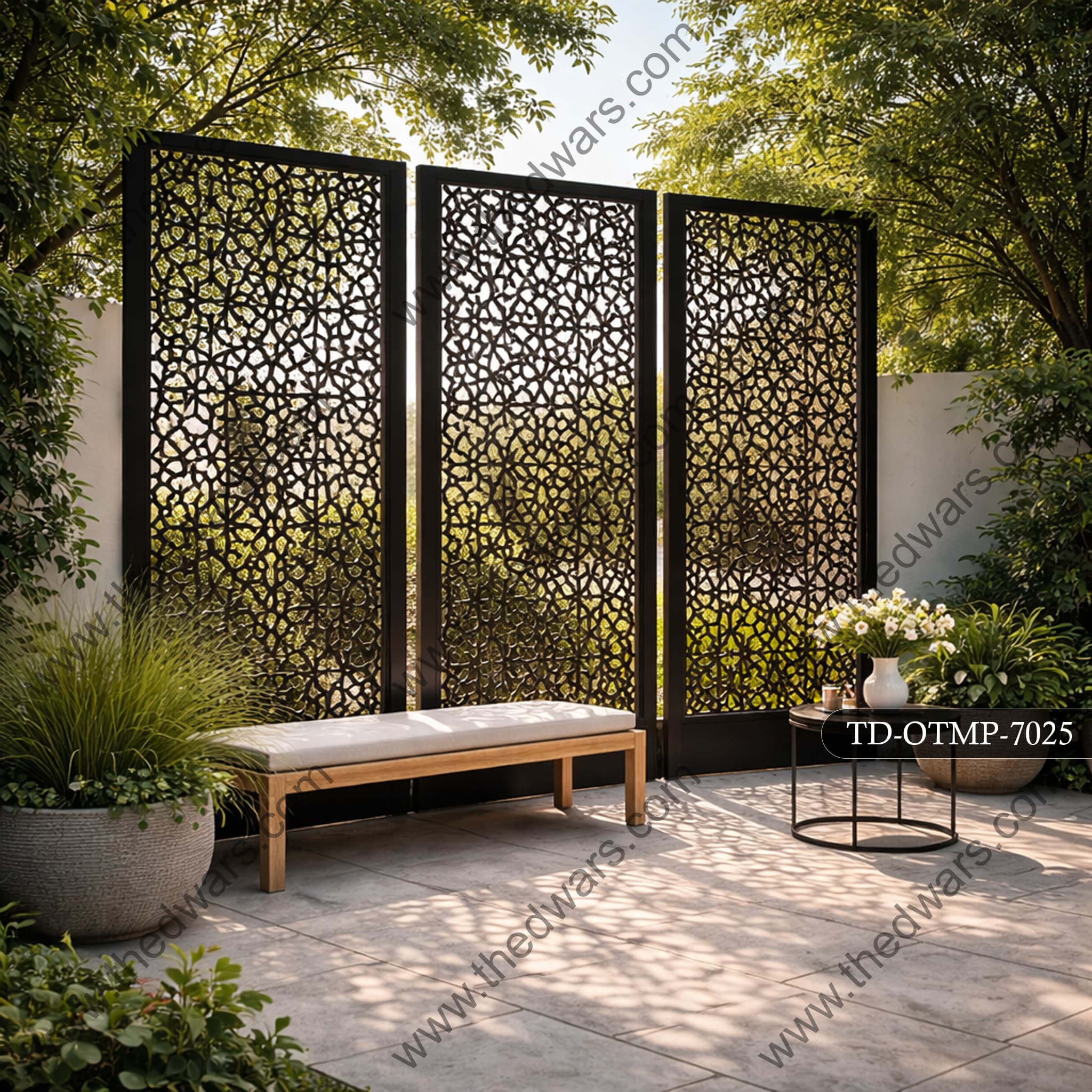
Wrought iron is valued for its depth, malleability and enduring character. It can be shaped into refined scrollwork, geometric patterns, floral motifs or clean contemporary frames. This flexibility makes it especially suitable for custom gates, entrance doors, staircase railings and balcony railings where the metalwork is intended to be part of the architecture rather than simply a guardrail.
The finish is central to its performance. A properly specified protective coating system and sensible maintenance routine help exterior ironwork retain its richness over time. The reward is a material that can feel either traditional or strikingly modern depending on the pattern, proportion and colour.
Compare the materials by project goal
Rather than asking which material is stronger in the abstract, ask what the component needs to achieve. A minimalist internal railing may benefit from stainless steel's clean profile. A feature staircase in a luxury home may call for forged iron and brass details. A boundary gate may need the privacy, scale and patterning that iron handles so naturally.
Consider these questions:
Do you want a polished contemporary surface or a more crafted texture?
Is the project primarily functional, decorative or both?
Will the metalwork need complex curves, motifs or custom dimensions?
How does it relate to the rest of the home's hardware and finishes?
Hybrid designs offer another route
The decision does not always need to be either-or. Many premium projects combine materials: iron frames with brass highlights, stainless elements with glass, or black metalwork with timber accents. The key is to use each material where it contributes most to the design and performance.
Make the choice with the whole property in mind
The strongest material decision is one that connects the entrance, gate, railings and interior details. Wrought iron offers enormous creative scope and a timeless, substantial presence. Stainless steel brings disciplined modernity and a clean surface language. When you choose based on the architecture rather than a single material claim, the result will feel coherent, personal and built to last.
Ask for samples and a complete specification
Before finalising a material, review the proposed finish beside the home's other surfaces. A small sample can reveal how black, bronze, brass or stainless steel will behave beside stone, paint and timber. Confirm the frame construction, glass details, hardware and maintenance guidance as well; material selection is strongest when it includes these practical decisions, not only the visible surface.
Choose for everyday living
Finally, imagine the piece in use. Notice how a handrail feels, how a door handle sits in the hand and how the chosen finish will look in morning light and after dark. The best material is not merely impressive on a sample board; it should support the way the home is entered, used and enjoyed every day.