.jpg&w=3840&q=75)
.jpg&w=3840&q=75)
.jpg&w=3840&q=75)
.jpg&w=3840&q=75)
.jpg&w=3840&q=75)
.jpg&w=3840&q=75)
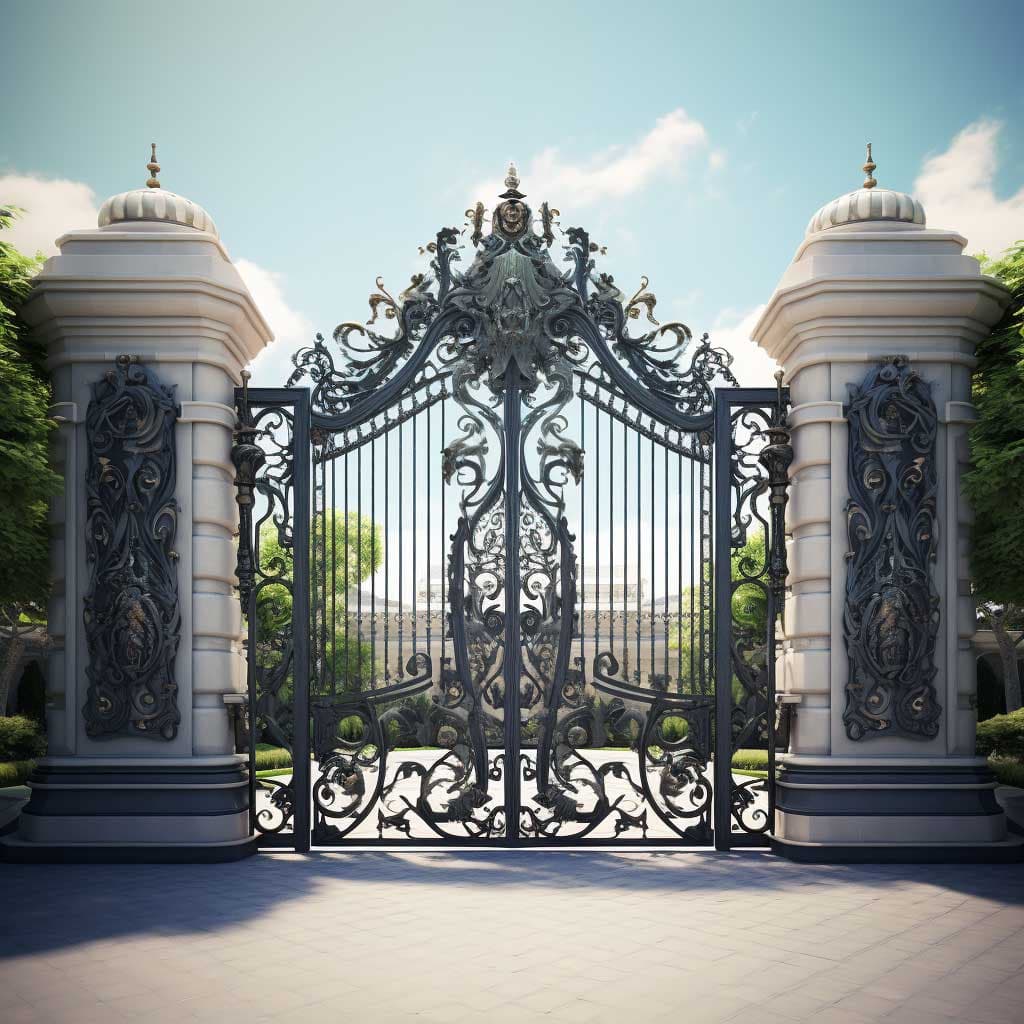
Premium properties are rarely defined by one expensive finish. They feel exceptional because the details connect: the entrance suits the facade, the staircase carries the same visual language as the gate, and the smaller elements feel intentionally designed rather than selected at random. Custom metalwork is one of the clearest ways to create that continuity.
Move beyond catalogue dimensions
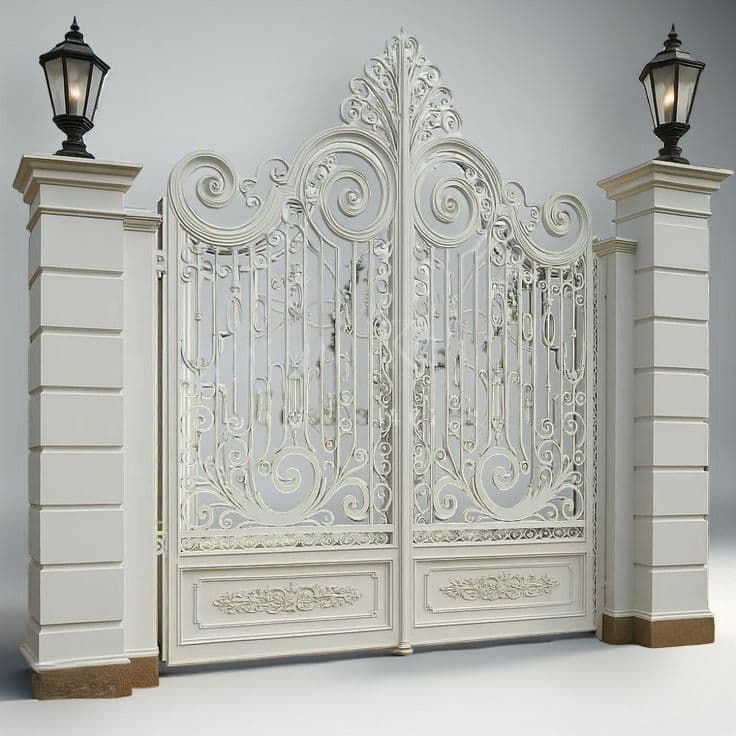
Ready-made products are designed to fit many spaces reasonably well. Bespoke metalwork is designed to fit one space exactly. That difference matters at an entrance, on a staircase or along a balcony where proportions are highly visible. Custom fabrication allows the frame, pattern, handrail, panel size and hardware to respond to the real dimensions of the project.
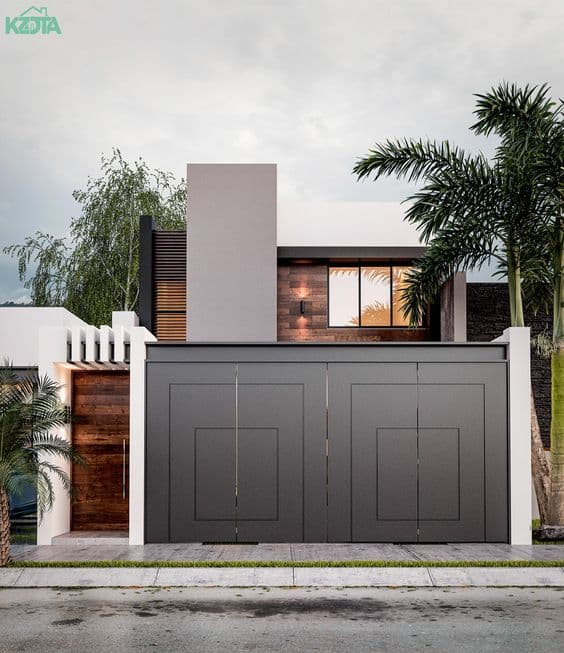
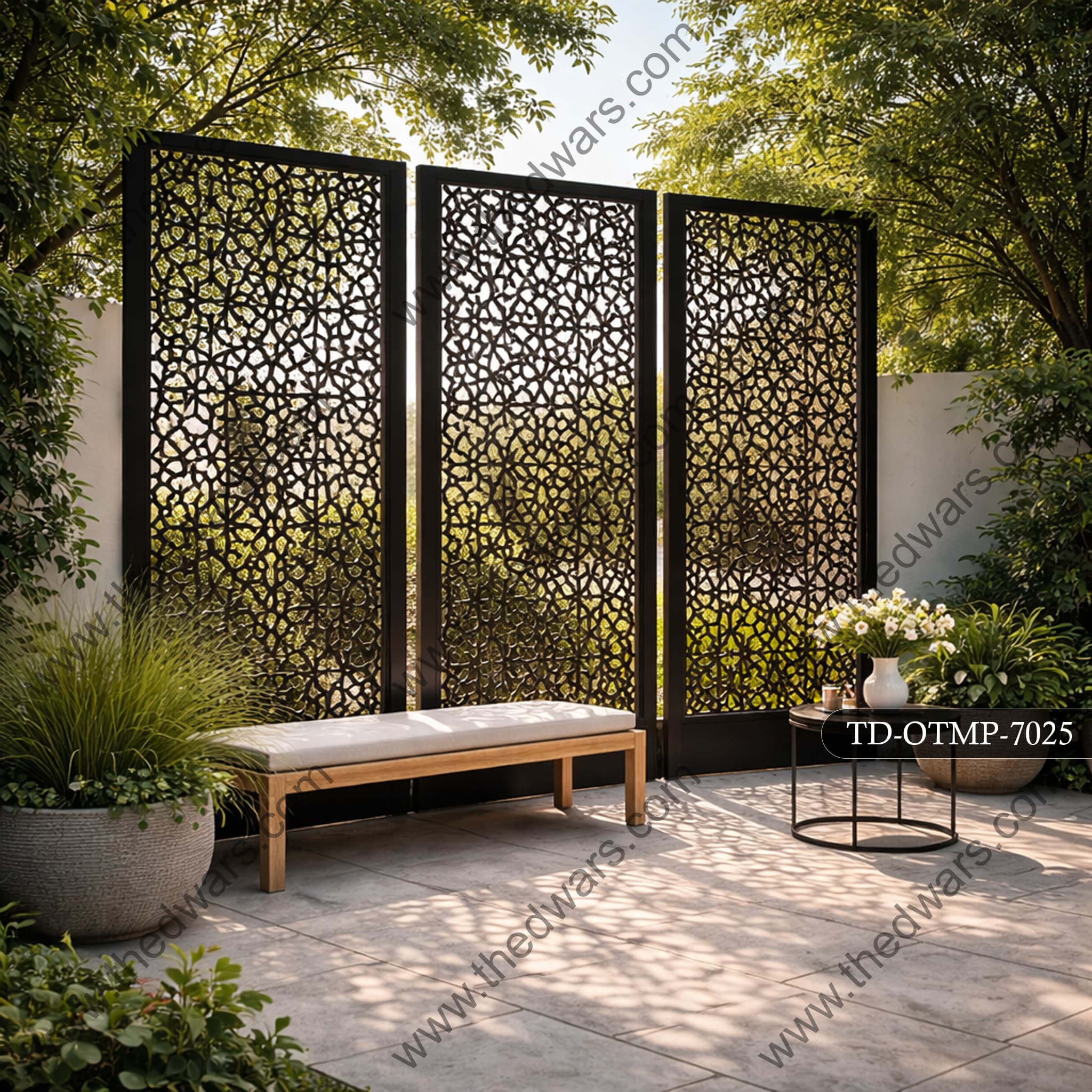
It also allows the design to solve practical issues early. A gate can be planned around vehicle access. A railing can follow a curved staircase. A partition can screen a view without blocking the best light. These decisions make the finished work feel effortless because they were resolved before fabrication.
Build a material palette, not a collection of objects
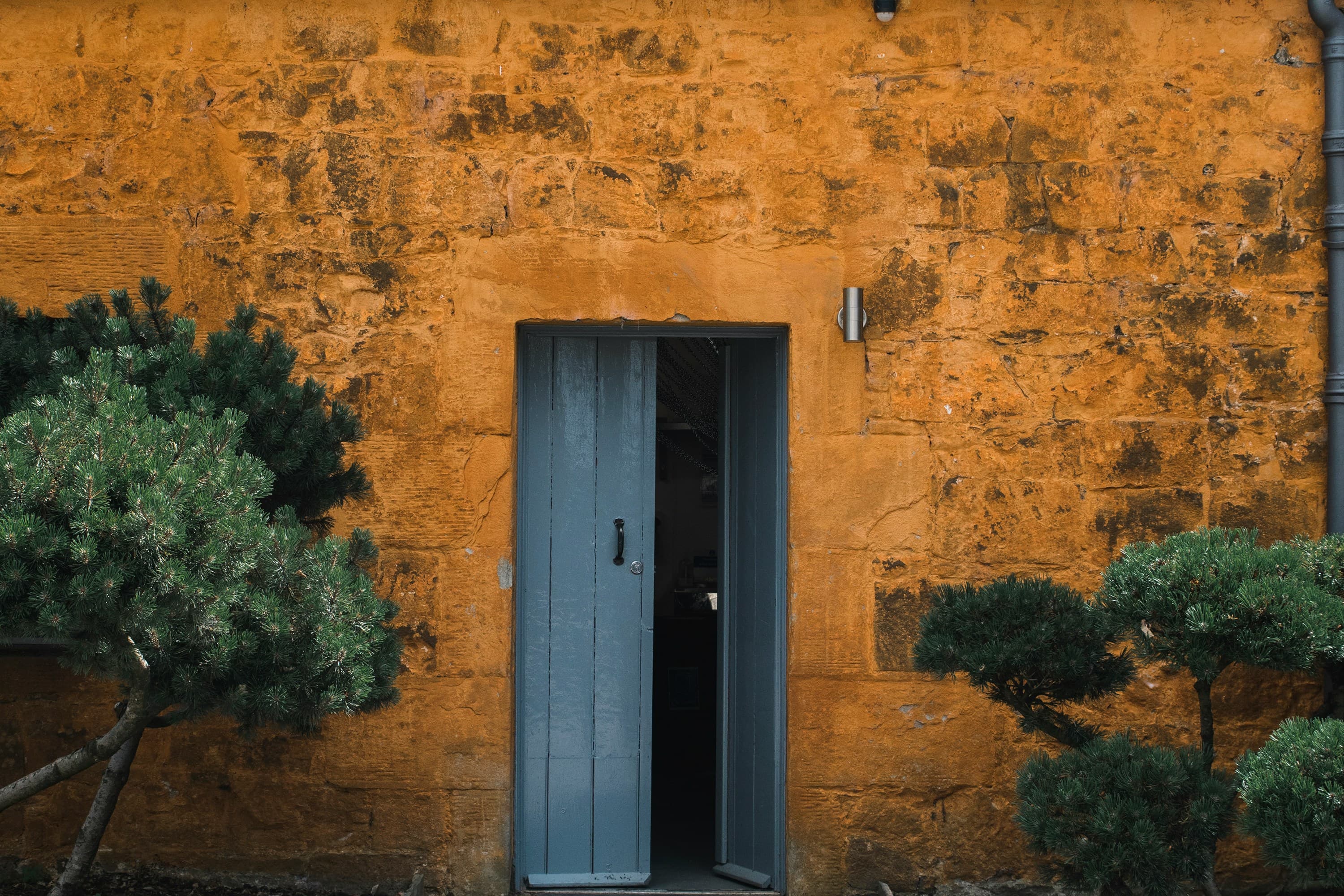
Metalwork is most powerful when it contributes to a wider material palette. A matte-black entrance door may relate to window frames and outdoor lighting. Brass details on a staircase can echo joinery hardware or a decorative name plate. Laser-cut motifs can repeat gently across a gate, partition and landscape screen.
This does not mean every element must match exactly. It means the family of finishes, proportions and details should feel intentional. A designer can use contrast—dark iron with warm brass, for example—while still maintaining a coherent visual story.
The bespoke process creates confidence
Good custom work follows a clear process. The earliest conversations establish the site's dimensions, architectural mood and practical needs. Design development then explores pattern, proportion, finish and hardware. Fabrication translates the approved design into components that can be checked before installation.
The typical stages include:
Consultation and site understanding
Design direction, drawings and material selection
Fabrication, finishing and quality checks
Delivery, installation and final detailing
Craft gives a property a recognisable signature
Hand-finished metalwork has presence. It reflects light differently, has a depth that flat manufactured panels often lack and can carry a level of detail that feels personal to the home. Whether the design is richly ornamental or deliberately minimal, the workmanship becomes part of the property's identity.
Consider where metalwork has the greatest impact
The entrance is often the highest-impact starting point because it sets expectations for the whole home. Staircases, balcony railings, partitions and exterior screens are equally valuable opportunities. Instead of adding a decorative object in every room, select a few key moments where metalwork can do structural and visual work at the same time.
Custom metalwork enhances a premium property because it makes the architecture feel resolved. It connects beauty with function, supports daily use and gives the home details that cannot be copied from a catalogue. A thoughtful consultation turns that ambition into a focused, buildable design direction.
Invest where the eye naturally lingers
Visitors remember the moments where architecture and daily life meet: the gate they open, the staircase they climb and the doorway that frames arrival. These are the right places to prioritise custom work. A smaller number of carefully designed pieces usually creates more value than many unrelated decorative additions, because each detail supports a clear and memorable point of view.
Give the design time to develop
Custom work benefits from thoughtful decisions rather than rushed selections. Allow time to compare proportions, finishes and hardware, then refine the details that affect daily use. The process is an opportunity to create a piece that genuinely belongs to the property, rather than an object that simply fills an opening.