.jpg&w=3840&q=75)
.jpg&w=3840&q=75)
.jpg&w=3840&q=75)
.jpg&w=3840&q=75)
.jpg&w=3840&q=75)
.jpg&w=3840&q=75)
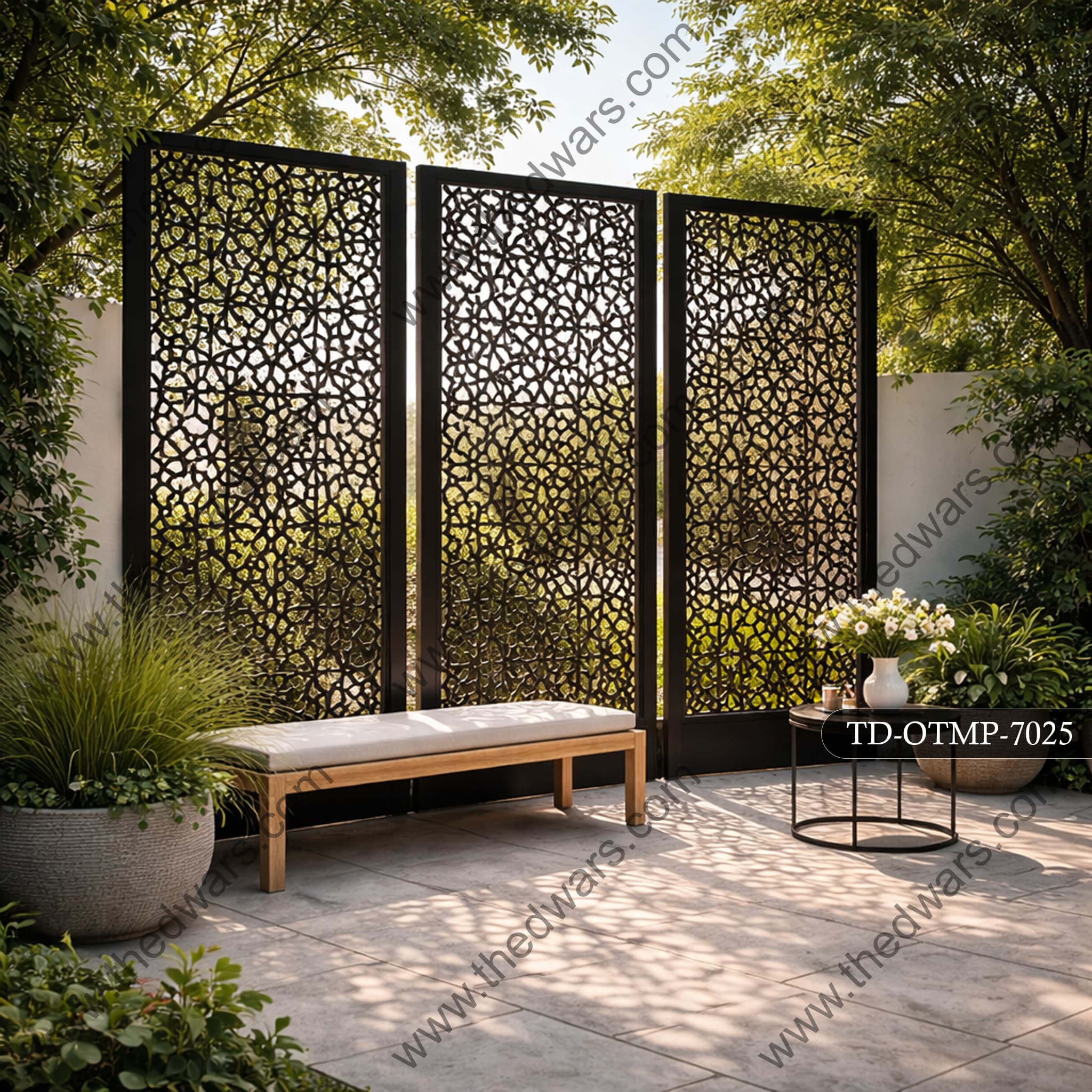
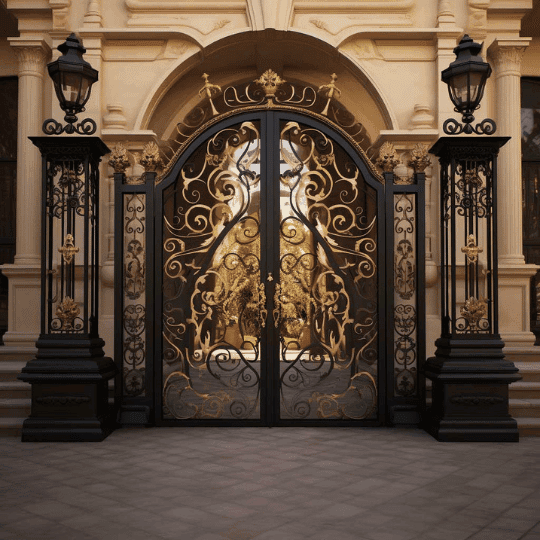
A bespoke metal door, gate or railing is only as good as the process behind it. Beautiful reference images are useful, but lasting quality comes from how the material is selected, how the frame is prepared, how joints are finished and how every moving part is checked before installation. At The Dwars, the production process combines practical fabrication knowledge with the design attention expected in a premium home.
From design intent to workshop planning
Every project begins by translating the approved design into a fabrication plan. Dimensions, opening directions, panel divisions, hardware locations and finish requirements need to be understood before metal is cut. This stage protects the design intent while ensuring the finished piece can be installed and used comfortably.
For a gate, that may mean allowing for swing clearance and automation. For a staircase railing, it means following the true line of the stair and landings. For an entrance door, it means coordinating the frame, glass, hardware and threshold as one system.
Craftsmanship and precision work together
Premium metalwork often needs both hand skill and controlled precision. Forged details, finishing work and decorative shaping bring personality to the piece. Accurate cutting, alignment and repeatable components help ensure the overall composition is consistent. Neither approach replaces the other; they work together.
The visible result is a cleaner line, better proportion and more confident detailing. The less visible result is equally important: stable frames, sensible joints and components that feel right in daily operation.
Finishing protects the investment
The finish is not simply a colour choice applied at the end. It is part of the protection strategy for the metalwork. Surface preparation, coating selection and careful handling during fabrication all influence how the piece will age. Exterior gates and railings need particular attention because they face weather, dust and regular use.
For interiors, the finish helps create mood. Matte black can make a contemporary statement, while bronze, brass or patinated accents introduce warmth. The best finish is the one that supports both the material's performance and the architecture around it.
Quality checks focus on the details people feel
Quality control is not only a visual inspection. It includes the everyday details that determine whether a product feels premium: alignment, weld finishing, movement, handle comfort, panel spacing and the consistency of the final coating. A door should feel substantial without being difficult to use. A gate should sit correctly within its opening. A railing should follow the intended line cleanly.
Before delivery, a thoughtful review should consider:
Overall dimensions and fit against approved drawings
Alignment of frames, panels and decorative elements
Function of hinges, handles, locks and moving parts
Finish quality across visible surfaces and edges
Readiness for site installation
Why the production process matters to homeowners
The workshop may be behind the scenes, but its standards are experienced every day. They show up in the way a door closes, in the confidence of a railing and in the finish that continues to look composed over time. This is why bespoke metalwork should be evaluated as a complete process, not only as a finished photograph.
When design, fabrication and finishing are treated with equal care, the result is more than a product. It is a durable part of the home, built to carry both function and character for years to come.
A collaborative process produces better results
The best outcomes come when homeowners, architects, designers and fabricators share information early. Reference images, site drawings, finish samples and functional requirements help the workshop make confident decisions. That collaborative discipline resolves details before they become site changes and allows a crafted piece to arrive with the scale, finish and performance the project deserves.